Discovering the Magic of Water Through Simple Experiments
Introduction:
Children are natural scientists. They love asking questions, making observations, and discovering how things work. Water is one of the easiest and most exciting ways to introduce young learners to science. Through simple experiments, children can explore fascinating concepts while building confidence and curiosity.
At Adventure Montessori, we believe every experiment is an opportunity to inspire creativity, problem-solving, and a lifelong love of learning.
Why Water Experiments Matter?
Simple experiments help children understand that science is all around them. Instead of memorizing facts, they learn by doing, observing, and asking questions.
Water experiments help children:
- Develop observation skills.
- Encourage curiosity.
- Build critical thinking.
- Learn basic scientific concepts.
- Improve communication.
- Increase confidence through discovery.
Fun Water Experiments:
You don’t need expensive materials to create meaningful learning experiences.
Here are a few simple ideas:
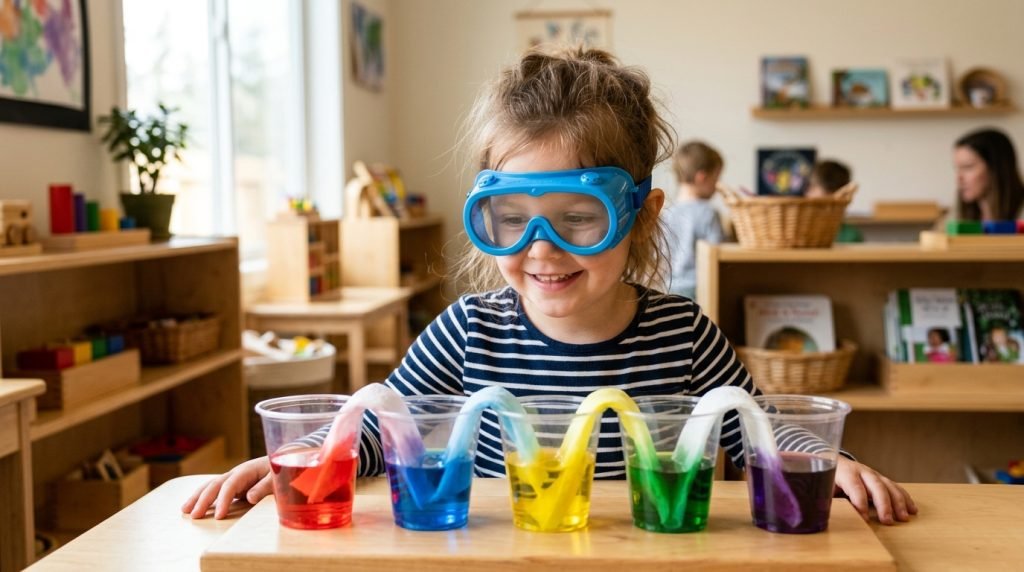
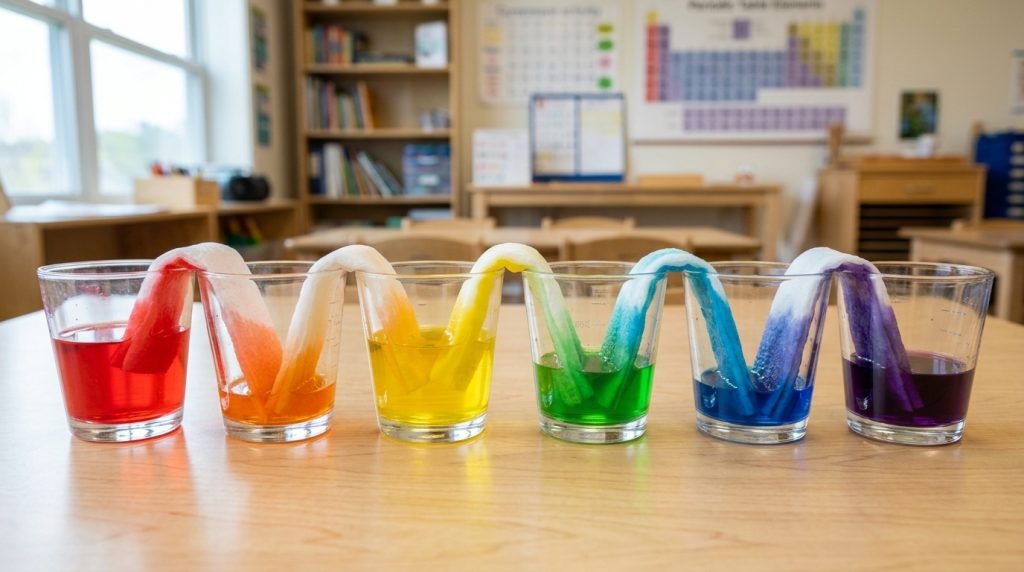
Walking Water Rainbow:
Fill several cups with colored water and connect them using folded paper towels. Watch as the colored water “walks” from one cup to another, creating new colors.
Will It Dissolve?
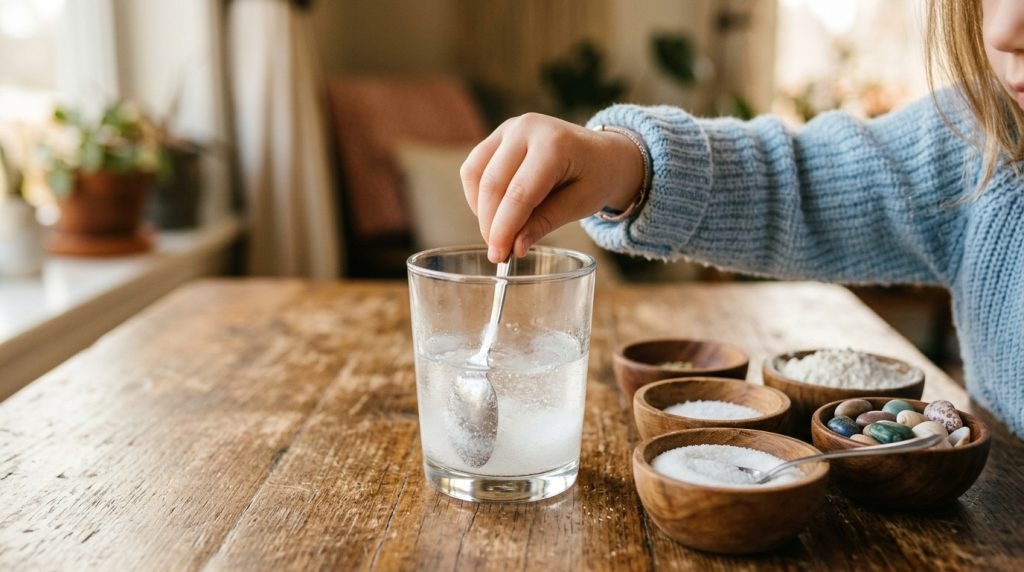
Place different materials into water, such as sugar, salt, flour, rice, and small stones. Ask your child to observe which materials dissolve and which do not.
Bubble Exploration:
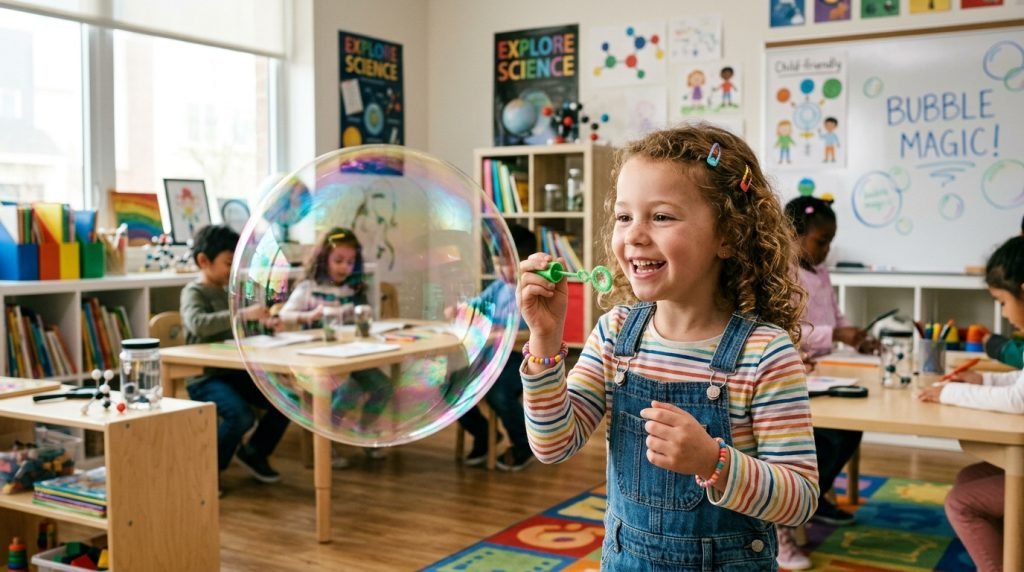
Mix water with a little dish soap and use a straw or bubble wand to create bubbles. Discuss why bubbles are round and how they move.
Ice Melting Challenge:
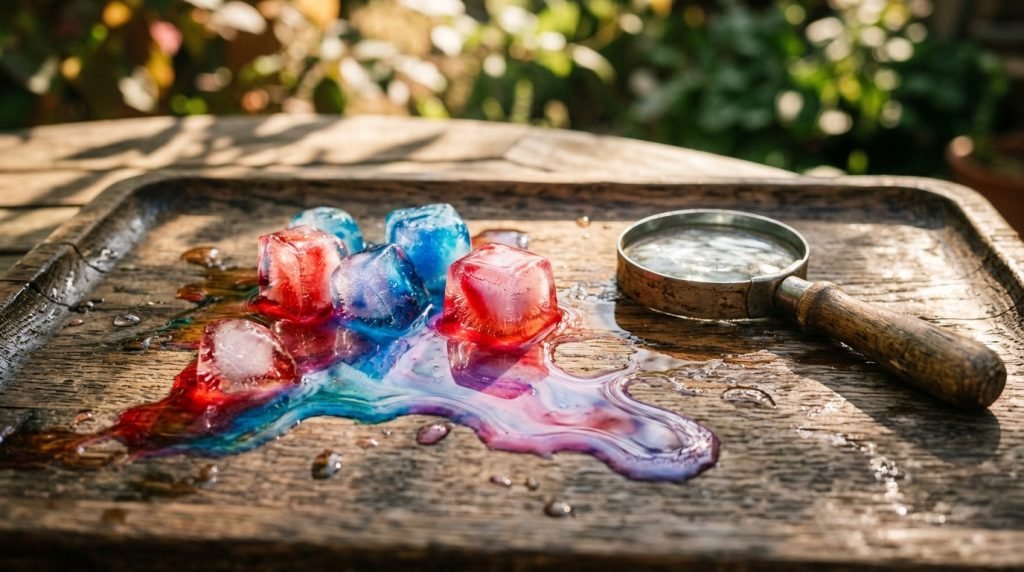
Place ice cubes in different locations, such as sunlight, shade, and warm water. Ask children to predict which ice cube will melt first and why.
Encourage Scientific Thinking:
During each activity, encourage children to think like scientists.
Ask questions such as:
- What do you think will happen?
- Why did that happen?
- What changed?
- What surprised you?
- What would happen if we tried something different?
These questions develop reasoning and communication skills.
Learning Through Observation:
Observation is one of the most important scientific skills. Encourage children to describe what they see using words like:
- Floating
- Sinking
- Melting
- Mixing
- Clear
- Cloudy
- Heavy
- Light
This expands vocabulary while improving scientific understanding.
FAQ:
1. Why are water experiments good for preschoolers?
They make science easy to understand while encouraging curiosity, observation, and problem-solving.
2. Do I need special equipment?
No. Most experiments use everyday household items like cups, food coloring, paper towels, spoons, and ice cubes.
3. How can I make experiments more educational?
Ask prediction questions before starting and discuss the results afterward.
4. Can these activities be done at home?
Yes! Most water experiments are simple, safe, and perfect for home learning with adult supervision.
5. What is the biggest benefit of hands-on science?
Children learn by exploring, making discoveries, and developing confidence through real experiences.