
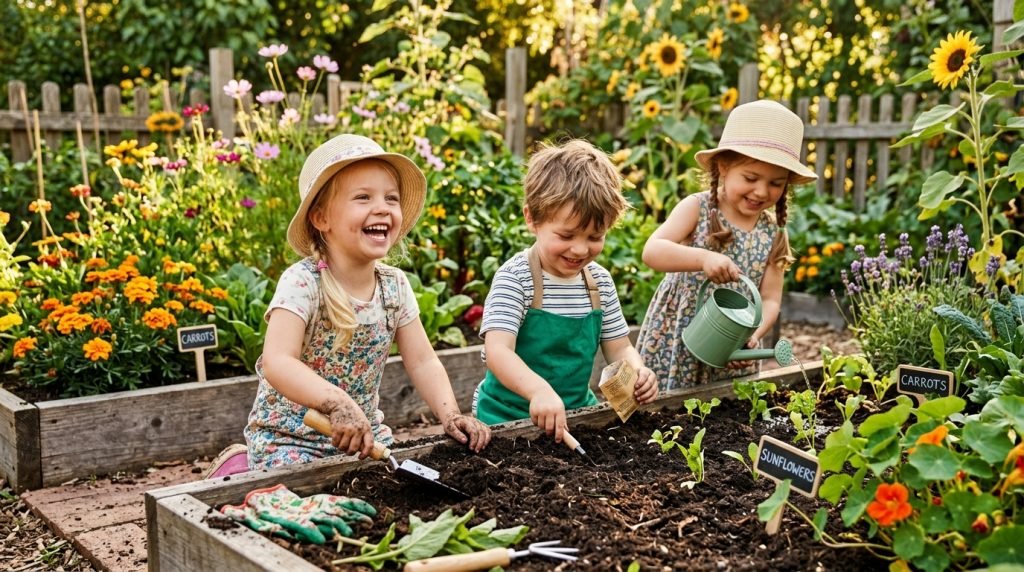
Why Gardening Is Great for Young Children
Introduction:
Gardening is much more than planting flowers or watering vegetables. For young children, it is a wonderful opportunity to explore nature, develop responsibility, and learn through hands-on experiences. Every seed planted teaches patience, every flower observed inspires curiosity, and every garden becomes an outdoor classroom filled with exciting discoveries.
At Montessori Adventures, we encourage children to connect with nature through simple gardening activities that build confidence, independence, and a lifelong appreciation for the environment.
Why Gardening Is Important for Children?
Gardening helps children learn by doing. They observe changes, solve problems, and discover how living things grow.
Some of the biggest benefits include:
- Encourages responsibility and independence.
- Improves fine motor skills.
- Develops patience and perseverance.
- Builds observation skills.
- Supports early science learning.
- Promotes healthy eating habits.
- Reduces stress and encourages outdoor play.
- Increases appreciation for nature.
Easy Gardening Activities for Kids:
You don’t need a large backyard to introduce children to gardening. A few pots on a balcony or windowsill can create meaningful learning experiences.
Plant Fast-Growing Seeds:
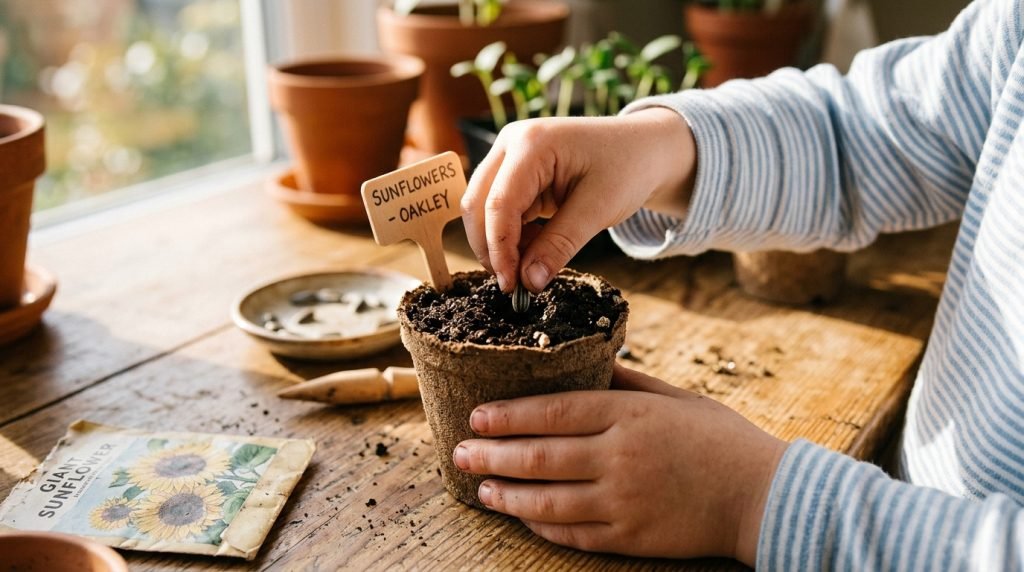
Choose seeds like beans, sunflowers, or herbs that sprout quickly. Children stay motivated when they can see results within a few days.
Create a Watering Routine:
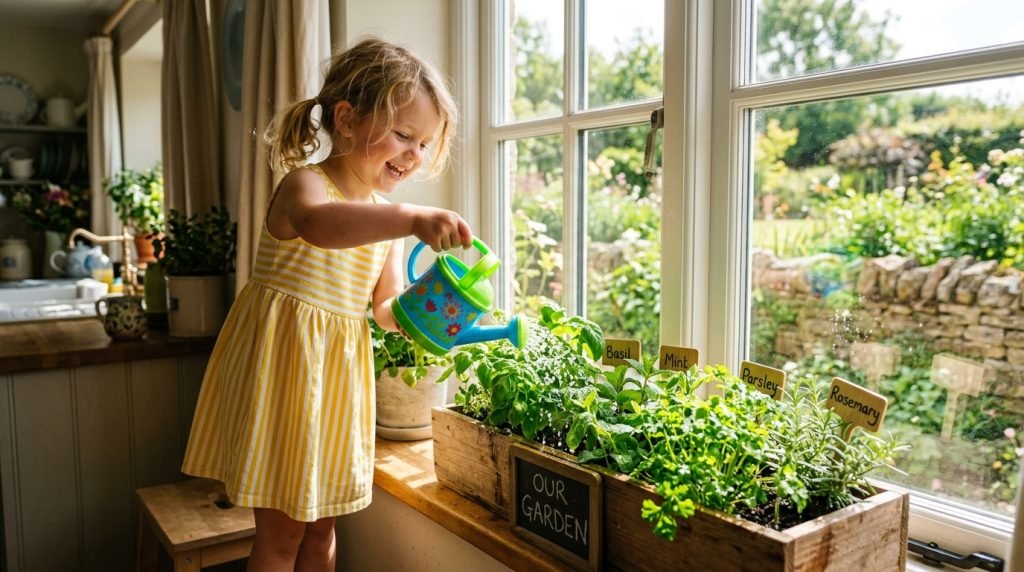
Give your child a small watering can and let them water the plants each morning. This teaches responsibility and consistency.
Decorate Plant Pots:
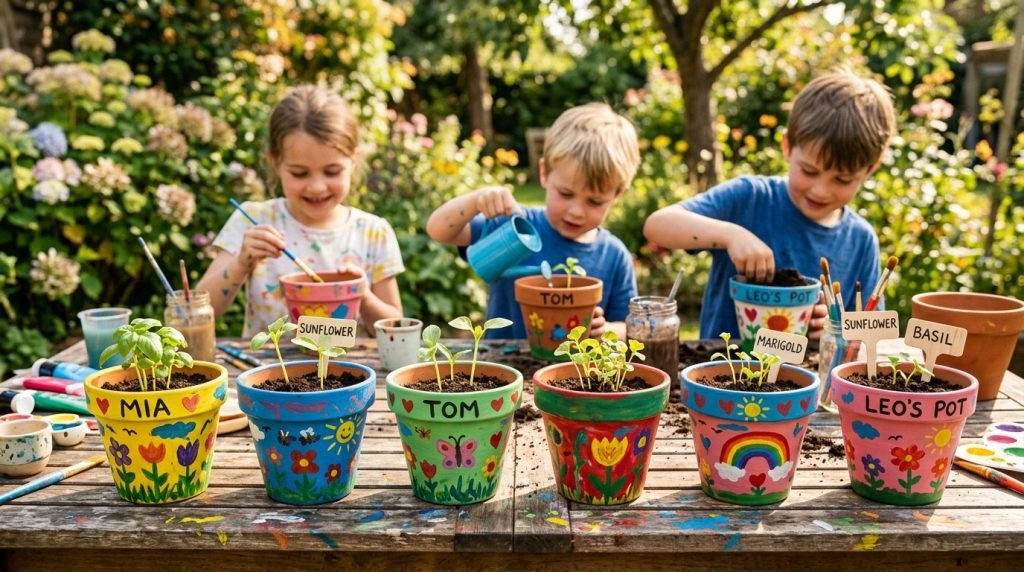
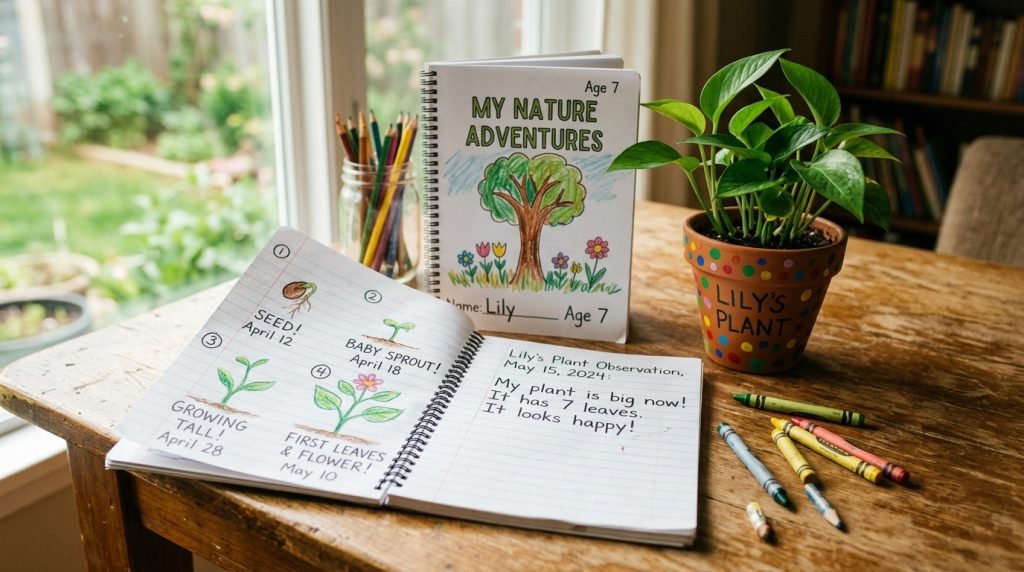
Let children paint or decorate flower pots with bright colors and fun designs. This adds creativity to the gardening experience.
Nature Observation Journal:
Encourage children to draw pictures of their plants each week and write or describe the changes they notice.
Learning Through Nature:
Gardening naturally introduces children to important science concepts.
While gardening, talk about:
- What plants need to grow.
- How roots absorb water.
- Why sunlight is important.
- Different types of insects.
- The changing seasons.
- The life cycle of a plant.
Simple conversations help children understand the world around them.
Safety Tips:
To keep gardening enjoyable:
- Use child-safe gardening tools.
- Choose non-toxic plants.
- Wash hands after gardening.
- Wear hats during sunny weather.
- Always supervise young children.
FAQ:
1. What age can children start gardening?
Children can begin simple gardening activities as early as two or three years old with adult supervision.
2. What plants are best for beginners?
Sunflowers, beans, basil, mint, tomatoes, and marigolds are excellent choices for young gardeners.
3. How does gardening support learning?
Gardening teaches science, responsibility, patience, observation, and problem-solving through real-life experiences.
4. Do children need a large garden?
No. Small pots, containers, or a windowsill garden provide excellent learning opportunities.
5. How often should children water plants?
Most plants need watering once a day or as recommended for that specific plant, depending on weather and soil conditions.