

Short answer: the hardest part of buying early reader books is that Level 1 is not a standard. It is a marketing tier inside one publisher’s private ladder, and the ladders do not line up. An I Can Read Level 1 and a Bob Books Stage 1 are not remotely the same difficulty. Two publishers, HarperCollins and Random House, publish no reading measures at all, so their levels cannot be compared to anything. If your child has just learned letter sounds, start with Bob Books Set 1, which is fully decodable. If they can already read a few words, start with Elephant and Piggie by Mo Willems.
Search this and you will be handed four different publishers’ ladders and told that each one starts at Level 1. Amazon ranks first for I Can Read Level One. HarperCollins ranks for Beginning Readers. Scholastic has Acorn. Simon and Schuster has Ready-to-Read. Every one of those pages explains its own system beautifully and none of them mentions that the others exist.
So this guide does the thing none of them do. It compares the systems, tells you which books are actually decodable, and names sixteen that work.
Early Reader Books
Why Level 1 Means Three Different Things
There is no cross-publisher standard for early reader levels. I looked specifically for an equivalence chart and there is not one, from anybody.
What exists is five separate private ladders, each built by a publisher, each starting at something called Level 1 or Step 1 or Stage 1. They overlap heavily and in places they contradict each other. Scholastic’s single Acorn tier, labelled Grade 1, spans a wider range of reading difficulty than Simon and Schuster’s Pre-Level 1, Level 1 and Level 2 put together.
And the transparency is wildly uneven:
- Scholastic publishes the word count, the Guided Reading level and the Lexile measure for every single title. This is genuinely useful and they deserve credit for it.
- Simon and Schuster publishes Fountas and Pinnell bands and Lexile ranges for each level of Ready-to-Read.
- HarperCollins, for I Can Read, publishes no word counts, no reading levels and no Lexile measures at any tier. Only prose descriptions.
- Random House, for Step into Reading, publishes grade bands and nothing else.
That last pair matters more than it sounds. Two of the biggest early reader lines in the world cannot be mapped against anything, even in principle, because the publishers do not supply a single measurable number. Their Level 1 is a promise, not a specification.
The Five Systems, Side by Side
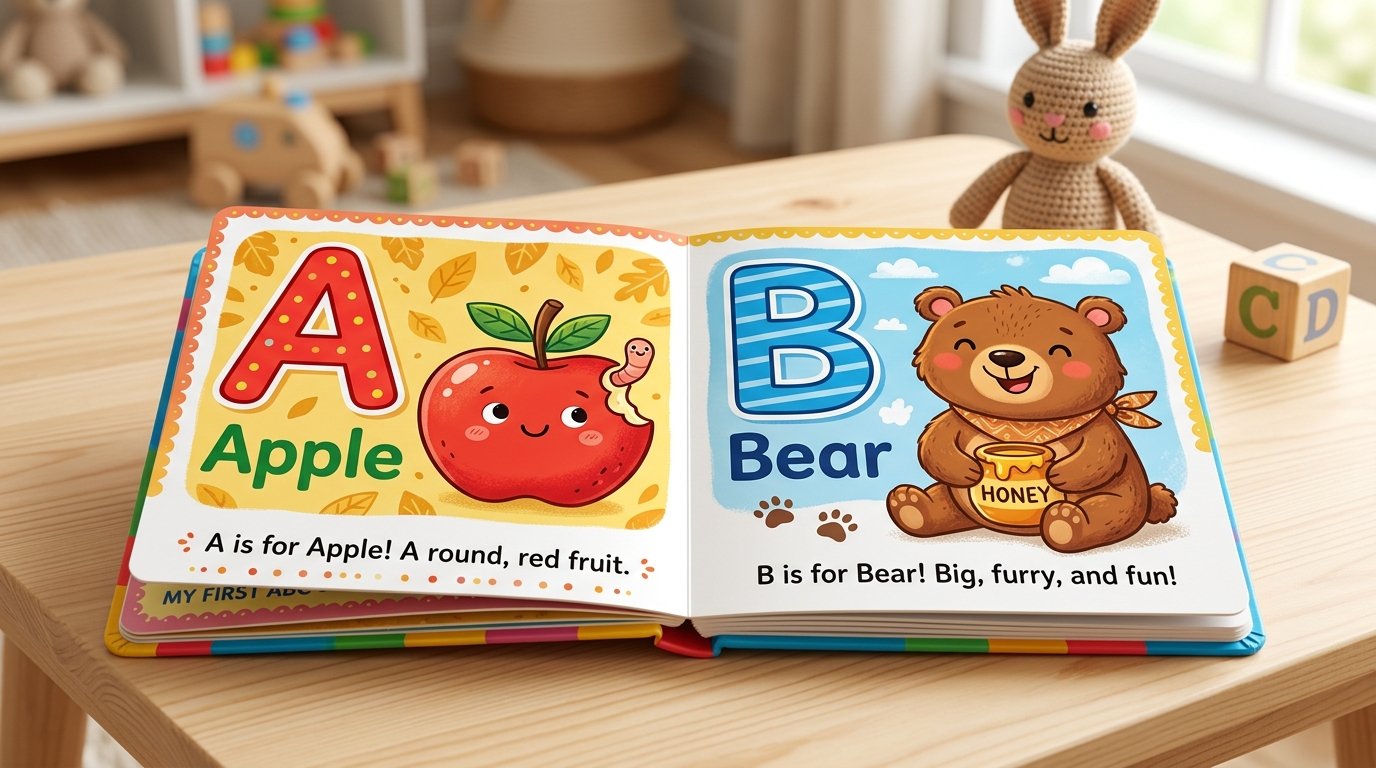
What each ladder actually is, and what it does and does not tell you.
- I Can Read (HarperCollins). Five tiers: My First, then Levels 1 to 4. Descriptors only, no measures. My First is shared reading with repeated phrases, such as Biscuit. Level 1 is the first solo tier, such as Danny and the Dinosaur. Level 2 is reading with help, and it contains Frog and Toad, which is harder than most parents expect from a number 2.
- Step into Reading (Random House). Steps 1 to 5, banded by grade only. Step 1 is preschool to kindergarten and explicitly assumes the child already knows the alphabet. Sub-lines exist for phonics, maths, comics and Spanish.
- Scholastic Acorn. Ages 4 to 7, Guided Reading E to K, several short self-contained stories per book that can be read in any order. The entry point, A Frog and Dog Book, is Guided Reading F, 150 Lexile, 93 words. That is the easiest genuine trade early reader I could verify.
- Scholastic Branches. Ages 5 to 8, Guided Reading L to P, sequential chapters with cliffhangers. Acorn builds confidence, Branches builds stamina. They are different jobs, not two rungs of one ladder.
- Ready-to-Read (Simon and Schuster). Five tiers with the most concrete specification anywhere: Ready-to-Go is around 100 words per story with heavy repetition, then Pre-Level 1, then Levels 1 to 3, each with published Fountas and Pinnell bands.
- Bob Books. Not a levelled trade series at all. Phonically controlled decodable readers, where every word can be sounded out. The first story in Set 1 uses four letters. This is a different category of object and the section below explains why that matters.
The Only Measures That Actually Compare
If you want to compare a book from one publisher against a book from another, there are exactly two currencies that work, and only when the publisher bothers to supply them.
- Guided Reading level (Fountas and Pinnell). A letter, A through Z. A is the very beginning. Early readers mostly live between A and K. This is the most useful single number for this age.
- Lexile. A number followed by L. Useful, but designed for longer text, so it behaves oddly at the very bottom of the range where sentences are short.
Generic charts exist mapping grade to Guided Reading to Lexile, but they contain no publisher series, because the publishers do not all participate. So the practical advice is this: when a book shows a Guided Reading level or a Lexile, use it and ignore the publisher’s own number. When it shows neither, the tier on the cover tells you only where that book sits relative to others from the same publisher.
Decodable or Sight Word, and Why It Matters
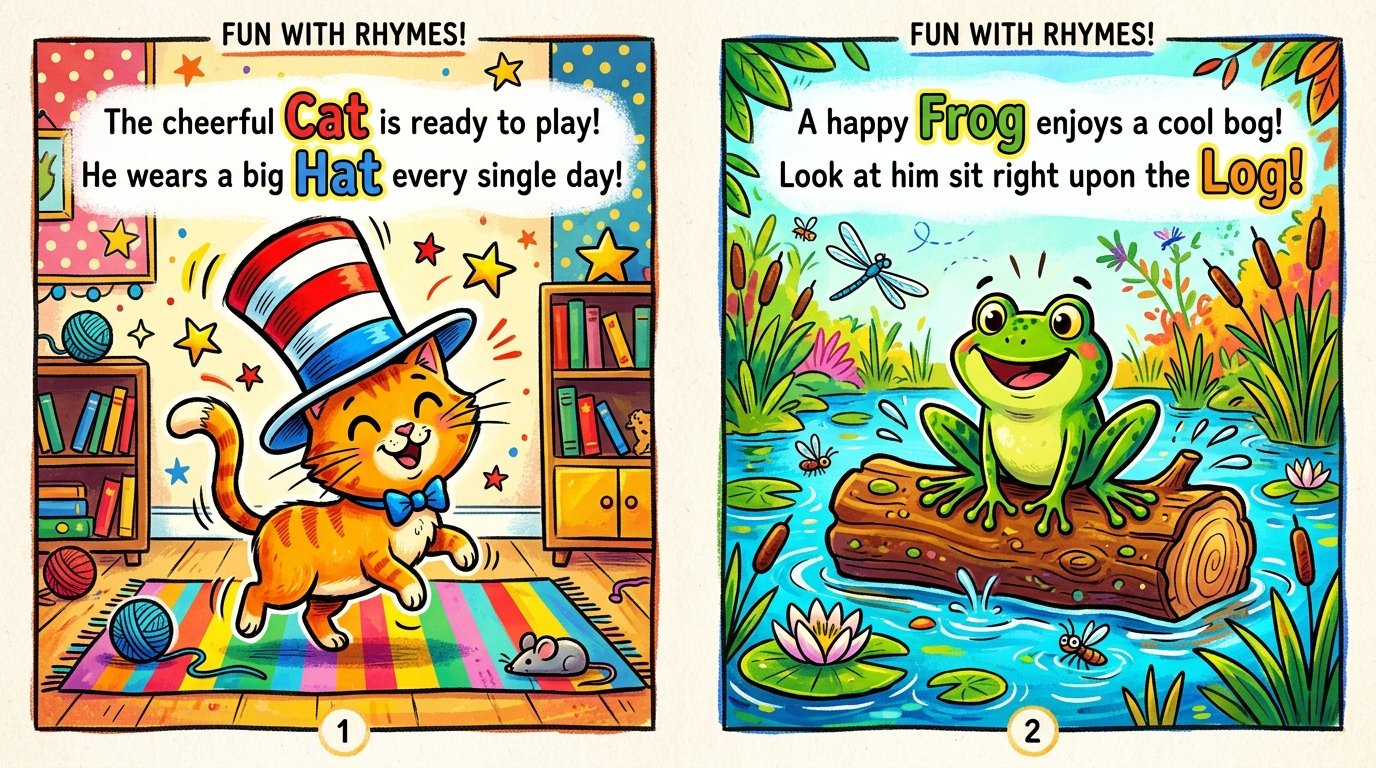
This is the second thing no page on this topic flags, and for a child who has just finished learning letter sounds it matters more than the level number.
A decodable book contains only words your child can sound out using the phonics they have been taught. A predictable or sight-word book uses repeated sentence patterns, high-frequency words learned by shape, and pictures that give the answer away.
Both have a place. The problem is handing a child a sight-word book at the moment they have just learned that letters make sounds, because the book quietly teaches them that guessing from the picture works. It does work, right up until the pictures stop helping.
So: if your child knows their letter sounds and is blending, start decodable. Once they are reading with reasonable confidence, the sight-word classics open up, and they are wonderful books. The list below flags which is which, because almost nobody does.
Where to Actually Start
- Knows some letter sounds, not yet blending. Not ready for a book yet. Keep doing sound games and read aloud to them.
- Blending simple three-letter words. Bob Books Set 1. Genuinely decodable, tiny, and the sense of finishing a whole book on day one is the entire point.
- Reading a few words confidently. Elephant and Piggie, or A Frog and Dog Book from Acorn at 93 words.
- Reading short sentences. Fly Guy, Cat Traps, Hello Hedgehog.
- Reading a page without stopping. Henry and Mudge, Frog and Toad, Poppleton.
- Wants it to feel like a chapter book. Unicorn and Yeti, then Scholastic Branches, then real early chapter books.
16 Early Reader Books That Work
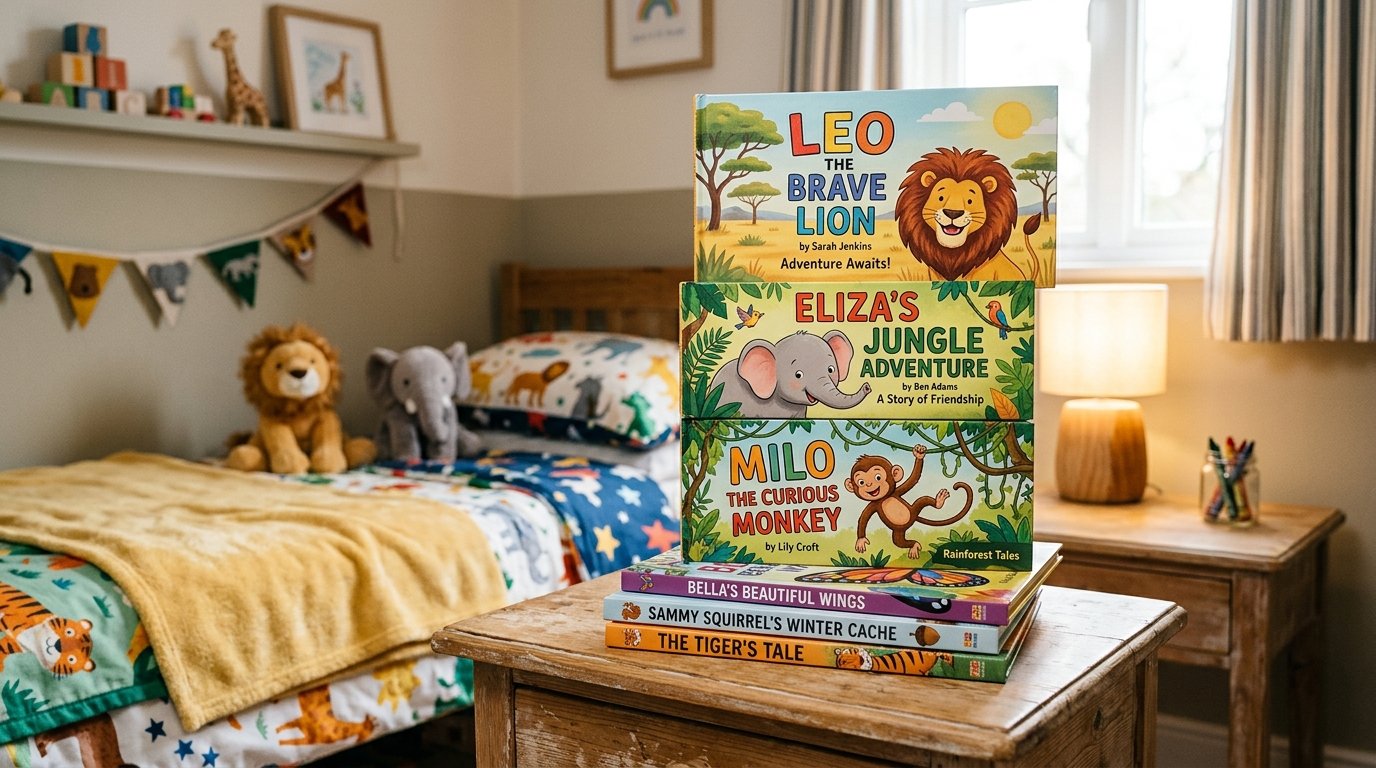
Level shown where the publisher supplies one, plus whether the text is decodable. The decodability notes are editorial judgement based on how the text is built, because no publisher certifies decodability except Bob Books.
- Bob Books Set 1: Beginning Readers by Bobby Lynn Maslen. Guided Reading A to D. Fully decodable. The real starting point once a child knows letter sounds.
- Elephant and Piggie by Mo Willems. Roughly Guided Reading F to J. Sight-word driven, not decodable. Dialogue only, two speech colours, genuinely funny. The best first real book there is.
- A Frog and Dog Book by Janee Trasler. Scholastic Acorn, Guided Reading F, 93 words. Phonics-controlled. The gentlest true trade early reader.
- Cat Traps by Molly Coxe. Step into Reading Step 1. Largely decodable, built on short vowels and word families. A good bridge out of Bob Books.
- Nat the Cat by Jarrett Lerner. Ready-to-Read Pre-Level 1. Rhyming word families, strongly phonics-controlled.
- Biscuit by Alyssa Satin Capucilli. My First I Can Read. Repetition and sight words, not decodable. For shared reading with a four or five year old.
- Danny and the Dinosaur by Syd Hoff. I Can Read Level 1. Not decodable. A classic, simple sentences, familiar vocabulary.
- Fly Guy by Tedd Arnold. Scholastic, roughly Guided Reading H to J. Not decodable. A boy and his pet fly. Converts reluctant readers.
- Crabby by Jonathan Fenske. Acorn, Guided Reading H to I. Comic panels, low text density, very funny.
- Hello, Hedgehog! by Norm Feuti. Acorn, Guided Reading H. Gentle milestone stories. Good for an anxious reader.
- See the Cat: Three Stories About a Dog by David LaRochelle. Geisel Medal winner. Very low word count and a metafictional joke that children find hilarious.
- Fox versus Fox by Corey R. Tabor. Roughly Guided Reading H to J. Geisel honoured, visually sophisticated.
- Unicorn and Yeti by Heather Ayris Burnell. Acorn, Guided Reading J. Friendship stories for a child who wants a chapter book feel.
- Poppleton by Cynthia Rylant. Acorn, Guided Reading J. Quieter and funnier. For a child who likes character over plot.
- Henry and Mudge by Cynthia Rylant. Ready-to-Read Level 2. Not decodable. Warm, undemanding, and an enormous backlist once they latch on.
- Frog and Toad by Arnold Lobel. I Can Read Level 2. Not decodable, and harder than the 2 suggests. For a child already reading, not one starting.
What the Research Says About Decodable Books
This is genuinely contested, and the confident claims on both sides run ahead of the evidence. Here is the honest version.
- Cheatham and Allor, 2012, reviewing the evidence in Reading and Writing, found that decodability makes it more likely a child will actually decode rather than guess, with benefits particularly for accuracy. They also concluded that text should be chosen on multiple criteria rather than decodability alone, and noted they could find only seven eligible studies.
- *A 2024 meta-analysis in Literacy*** covering 16 studies reported small to moderate effects, around 0.30 for decoding invented words and 0.20 for word reading. The authors noted most included studies carried moderate to serious risk of bias.
- Policy has split. England mandates it: government-validated phonics programmes must supply books closely matched to what the child has been taught, specifically so they do not need to guess. The equivalent US practice guide does not mandate decodable text, asking only that children read connected text daily.
A fair summary: decodable text reliably changes what a beginner does, moving them from guessing to sounding out, with modest measured gains. There is no strong evidence it beats other text once good phonics teaching is in place. The real objection to predictable books is narrower than it is often stated, and it is this: repeated sentence stems plus helpful pictures train a child to guess.
Is Four Too Early?
No, but expectations need adjusting. Most children begin learning to read in kindergarten, around five, and most can read simple books independently by the end of first grade, around six or seven. Some read at four. Some read at seven and turn out entirely fine.
At four, the useful work is almost all oral: hearing the sounds inside words, learning letter sounds rather than letter names, and being read to constantly. A four year old who knows their letter sounds and can blend can absolutely start Bob Books. A four year old who cannot is not behind.
How to Tell If a Book Is the Right Level Without Any of This
Ignore every number on the cover and use the book itself.
- Open a page in the middle and have them read it. Five or more errors on one page and the book is too hard today. Zero errors and no hesitation and it is too easy for practice, though it is perfect for rereading.
- Two or three stumbles per page is the sweet spot. Hard enough to be work, easy enough to finish.
- Watch what they do at an unknown word. If they look at the picture first, the book is training guessing. If they try the sounds, it is doing its job.
- Let them reread. A child rereading an easy book is building fluency, not wasting time. Rereading is one of the few things everyone in reading research agrees about.
Early Readers or Chapter Books?
They are different stages and the difference is worth being clear about, because bookshops shelve them together.
An early reader is a book your child reads themselves while they are still learning to decode. Big type, short lines, pictures on every page, and the job is accuracy. An early chapter book is a longer story with fewer pictures, and the job is stamina and holding a thread across sittings. Acorn versus Branches is exactly this distinction inside one publisher.
A child can be well into chapter books as read-alouds while still on early readers for their own reading, and that gap is normal. Read to them above their level and let them read at their level.
Frequently Asked Questions
What is a good first reading book for a 4-year-old?
If they know their letter sounds and can blend, Bob Books Set 1. The first story uses four letters and can be finished in one sitting, which for a four year old is the entire point. If they are not blending yet, they are not ready for a book they read themselves, and the useful work is sound games and being read to.
What do the reading levels on early reader books mean?
Less than you would hope. Each publisher runs its own private ladder and there is no cross-publisher standard. Scholastic and Simon and Schuster publish Guided Reading levels and Lexile measures you can compare. HarperCollins and Random House publish no measures at all. Where a Guided Reading level or Lexile is shown, use that. Otherwise the number tells you only where that book sits among others from the same publisher.
What is the difference between decodable and levelled books?
A decodable book contains only words your child can sound out with the phonics they have been taught. A levelled or predictable book uses repeated sentence patterns, sight words and picture support. Decodable is the better starting point for a child who has just learned letter sounds, because predictable text can quietly train guessing.
Is 4 too early to start reading?
No, and it is also not late to start at six. Most children begin learning to read around five and read simple books independently by six or seven. Reading readiness follows hearing sounds inside words, not age.
How many books should we read a day?
For a child reading themselves, ten to fifteen minutes is plenty and rereading counts. Stopping while they still want more works better than pushing to the end of a book. Separately, keep reading aloud to them from books well above their own level, because that is where vocabulary comes from.
My child can read the words but does not understand the story.
Common and usually temporary. When all the effort goes into decoding, there is nothing left for meaning. It resolves as decoding becomes automatic, and the fastest route there is rereading familiar books rather than pushing to harder ones.
Are the classics like Frog and Toad good starting books?
They are wonderful books and they are not starting books. Frog and Toad sits at I Can Read Level 2 and is harder than that number suggests, with long vowels and irregular spellings throughout. Save it for a child already reading with some confidence, and read it aloud before then.