
Fun Gardening Projects for Curious Kids
Introduction:
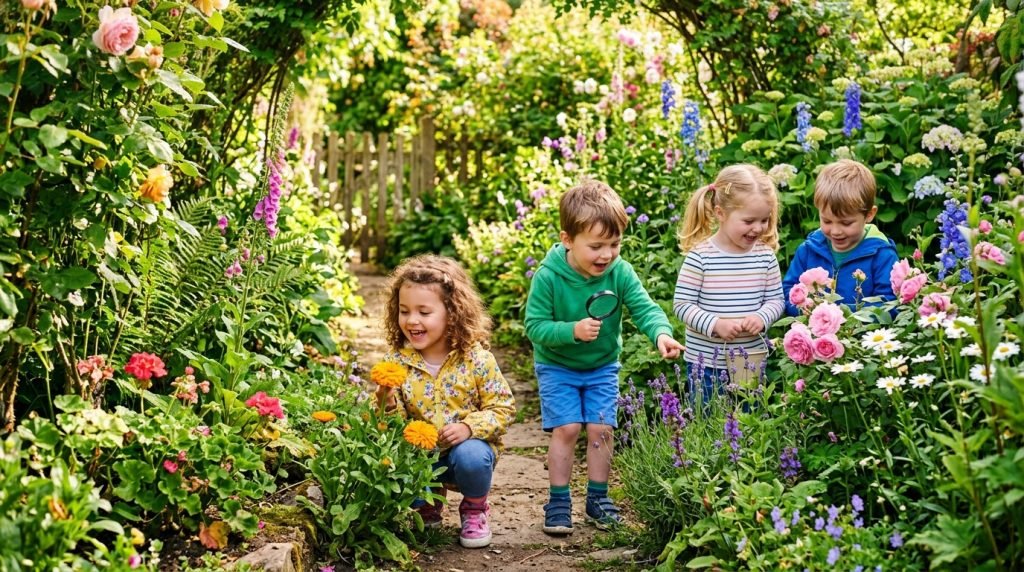
Children love getting their hands dirty, digging in the soil, and discovering tiny insects and colorful flowers. Gardening transforms ordinary outdoor time into an exciting learning adventure where children can explore, create, and care for living things.
At Montessori Adventures, gardening encourages children to become active learners while developing patience, creativity, and respect for nature.
Why Gardening Inspires Young Learners?
Gardening gives children the chance to explore nature with all their senses. They see colorful flowers, smell fresh herbs, touch different leaves, and hear birds and insects around them.
Gardening helps children:
- Build confidence.
- Improve concentration.
- Develop fine motor skills.
- Learn responsibility.
- Strengthen observation skills.
- Encourage teamwork.
- Support healthy lifestyles.
- Inspire creativity.
Simple Gardening Projects:
Grow a Mini Herb Garden:
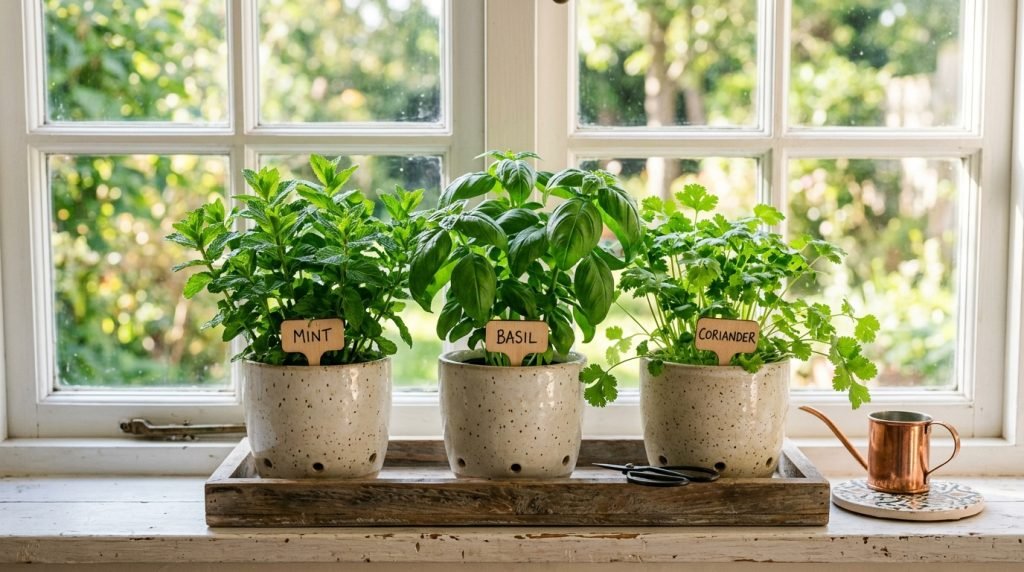
Plant herbs such as mint, basil, or coriander in small pots. Children enjoy watering them and smelling the fresh leaves.
Build a Butterfly Garden:
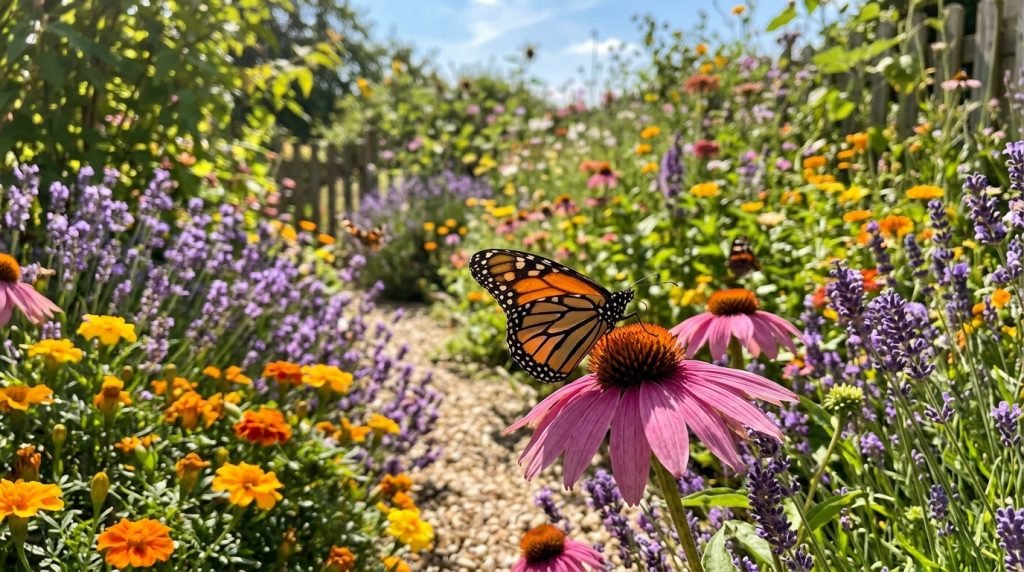
Choose colorful flowers that attract butterflies and bees. Children can observe visiting insects while learning about pollination.
Vegetable Patch Adventure:
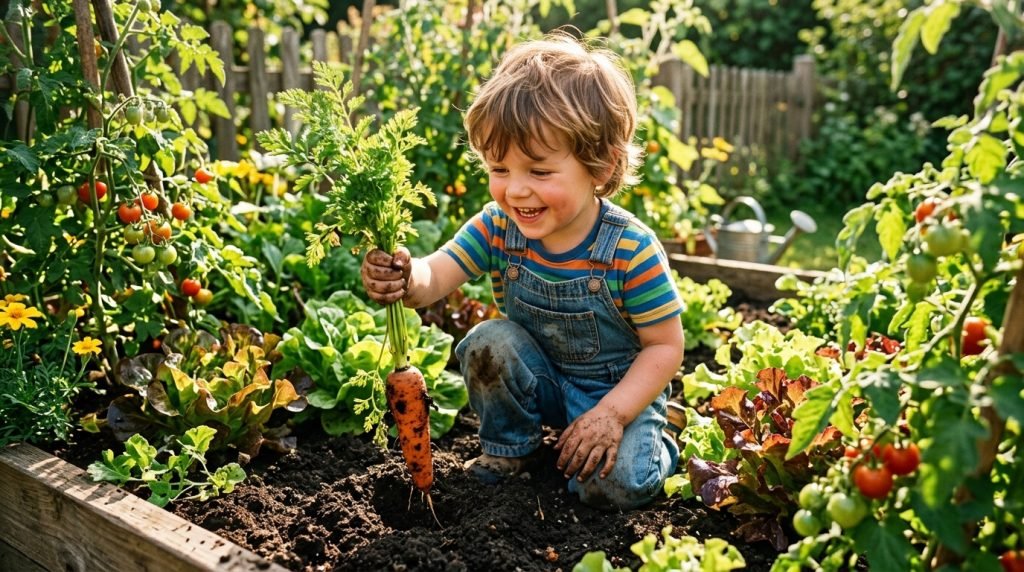
Grow easy vegetables like carrots, lettuce, or cherry tomatoes. Children become excited when they harvest food they helped grow.
Nature Treasure Hunt:
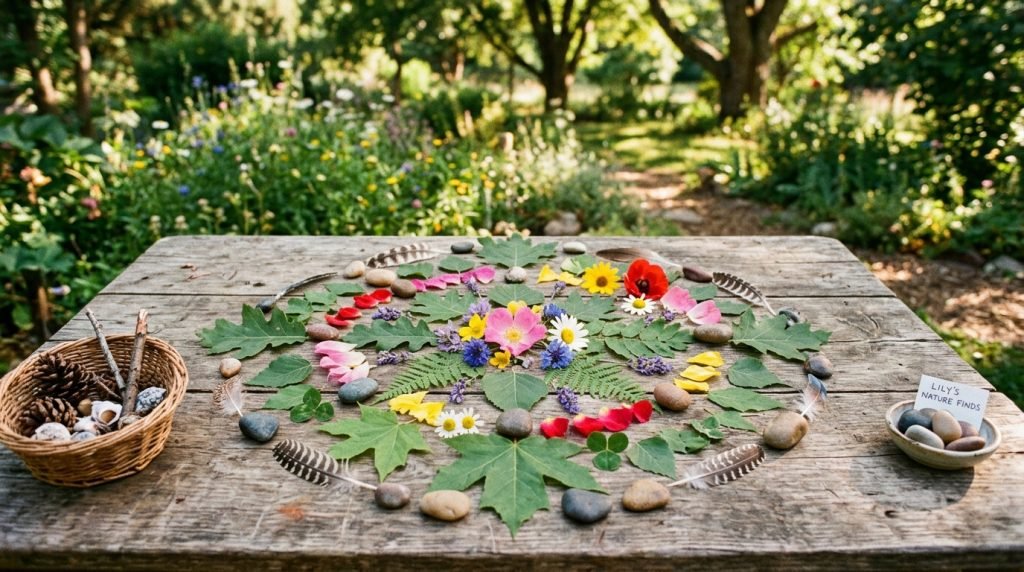
Take children outside to collect leaves, flowers, feathers, or stones and use them for nature-inspired art projects.
Questions to Ask During Gardening:
Encourage curiosity with simple questions:
- Which plant is growing the fastest?
- Why do plants need sunlight?
- What happens if we forget to water them?
- Can you find different shaped leaves?
- Which flowers attract butterflies?
These conversations build language and thinking skills.
Tips for Parents:
Parents can make gardening even more enjoyable by:
- Giving children their own small gardening tools.
- Letting them choose plants to grow.
- Celebrating every new leaf and flower.
- Creating a weekly gardening routine.
- Learning together through observation.
FAQ:
1. Why is gardening good for preschoolers?
It supports physical development, builds responsibility, encourages curiosity, and introduces early science concepts.
2. What gardening tools are safe for children?
Lightweight plastic trowels, watering cans, child-sized gloves, and small buckets are ideal.
3. Can gardening improve healthy eating habits?
Yes. Children are more likely to try fruits, vegetables, and herbs that they have grown themselves.
4. How can families garden without a backyard?
Container gardens, balcony pots, windowsill planters, and indoor herb gardens are excellent alternatives.
5. How often should children participate in gardening?
Even 15–20 minutes, two or three times a week, is enough to keep children engaged and excited about nature.